Upgrading an outdoor space is about more than visual appeal. Thoughtful improvements can increase comfort, support daily use, and make outdoor areas feel like a natural extension of the home. When outdoor spaces are designed with function in mind, they become places for relaxation, gathering, and everyday enjoyment rather than areas that go unused or feel disconnected. Small design decisions can have a lasting impact on how frequently outdoor areas are used and how comfortable they feel throughout the year.
Comfort and function often go hand in hand when planning outdoor upgrades. Layout, durability, and long-term maintenance all play a role in how well a space performs over time. Weather exposure, seasonal changes, and household needs should be considered early in the planning process. By focusing on practical improvements alongside design considerations, homeowners can create outdoor environments that adapt to changing needs, support varied activities, and maintain usability over time. Strategic planning also helps reduce unnecessary revisions while supporting lasting satisfaction.
Designing Functional Outdoor Layouts With Professional Planning
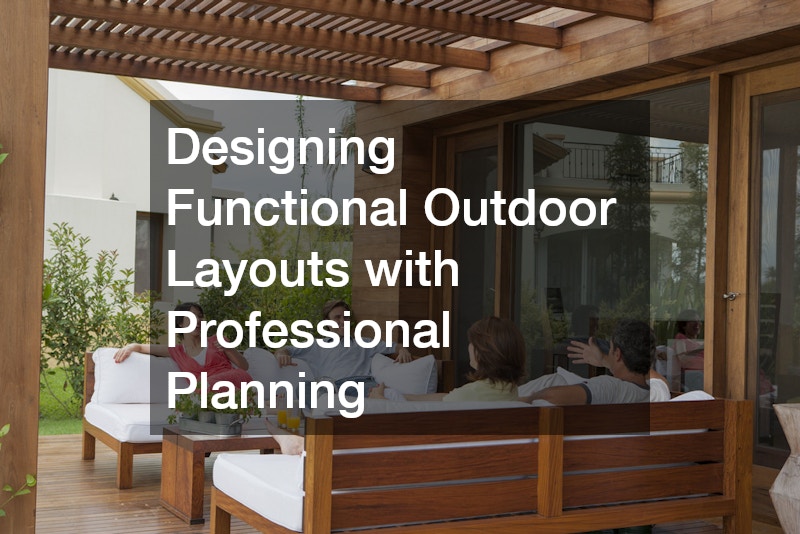
A functional outdoor layout serves as the foundation for comfort, usability, and long-term enjoyment. When outdoor spaces are thoughtfully planned, they allow for natural movement between areas while supporting a variety of activities. Clear pathways, well-defined zones, and balanced proportions help prevent congestion and make the space feel intentional rather than improvised. Proper layout planning also accounts for sightlines, accessibility, and how different areas will be used throughout the day and across seasons.
Professional planning brings structure to this process by aligning design choices with practical needs. Considerations such as drainage, grading, and surface materials influence how well an outdoor space performs over time. Sun exposure, wind patterns, and proximity to the home also affect comfort and placement decisions. Addressing these elements early helps avoid issues that can limit usability or require costly revisions later.
Working with patio builders allows homeowners to translate ideas into layouts that are both attractive and functional. These professionals evaluate how people will move through the space, where seating or gathering areas should be placed, and how surfaces will handle regular use. Their planning supports durability while allowing flexibility for future additions. A well-designed layout creates a cohesive outdoor environment that supports everyday use, adapts to changing needs, and feels like a natural extension of the home rather than a separate area.
Enhancing Outdoor Spaces With Thoughtful Landscape Design
Landscape design plays a critical role in shaping how outdoor spaces look, feel, and function. Thoughtful placement of plants, pathways, and natural features helps soften hard surfaces while creating visual balance and comfort. When landscaping is planned intentionally, it supports usability by guiding movement, defining areas, and creating natural transitions between different parts of the yard. Well-designed landscapes also contribute to shade, airflow, and overall environmental comfort.
Practical considerations are just as important as appearance when planning landscaping. Plant selection should account for climate conditions, soil quality, sunlight exposure, and water availability. Choosing the right mix of greenery supports healthier growth and reduces ongoing maintenance demands. Spacing and placement also matter, as overcrowding can lead to poor airflow, blocked views, or long-term maintenance challenges.
Working with a local landscaper helps align design choices with the property’s natural conditions and long-term goals. These professionals evaluate grading, drainage, and plant compatibility to support sustainable results. Thoughtful landscape design can also help manage erosion, improve water flow, and enhance privacy without closing off the space. When done well, landscaping creates an outdoor environment that feels cohesive, functional, and inviting throughout the seasons.
Adding Structure and Security Around Outdoor Areas
Creating structure within an outdoor space helps establish clear boundaries and supports a more organized, comfortable environment. Defined areas guide movement, separate functional zones, and reduce the feeling of clutter or disorganization. When structure is added thoughtfully, outdoor spaces become easier to navigate and more adaptable for daily activities, gatherings, or quiet use. Clear boundaries also contribute to a sense of privacy and control within the space.
Security is another important benefit of adding structure to outdoor areas. Physical barriers help manage access points, protect landscaping, and create safer spaces for children and pets. Well-placed features can also discourage unwanted entry while maintaining visual openness. Structural elements should balance protection with aesthetics, supporting safety without making the space feel enclosed or restrictive.
Incorporating fencing allows homeowners to define outdoor spaces while supporting organization and protection. Material choice, height, and placement all influence how effectively boundaries function. When integrated into the overall design, these features enhance both usability and appearance. A well-planned approach to structure supports long-term durability and helps outdoor spaces feel complete, intentional, and secure.
Upgrading Boundaries With Durable, Low-Maintenance Options
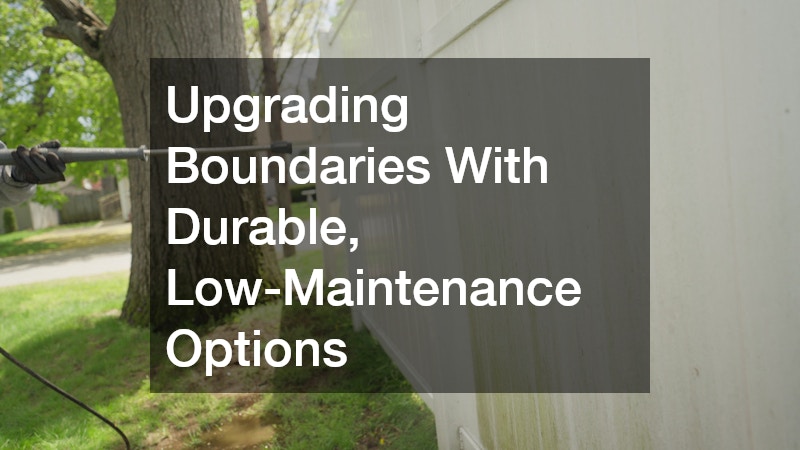
Outdoor boundaries play an important role in defining space, supporting privacy, and maintaining overall organization. Because these features are constantly exposed to sun, rain, wind, and temperature changes, material selection has a significant impact on long-term performance. Choosing durable options helps outdoor boundaries retain their appearance and function while reducing the need for frequent repairs or replacements.
Low-maintenance materials support consistent performance without ongoing upkeep demands. Traditional options may require regular painting, sealing, or reinforcement as they age. In contrast, modern alternatives are designed to resist common forms of wear such as fading, warping, or moisture damage. Selecting materials that can withstand environmental exposure helps preserve both appearance and structural integrity over time.
Using vinyl fence services offers a practical solution for homeowners seeking long-lasting boundaries with minimal maintenance requirements. These systems maintain a clean, uniform look without frequent refinishing and are designed to handle varying weather conditions. With proper installation, durable boundaries contribute to a cohesive outdoor design while supporting ease of care and long-term reliability.
Maintaining Trees for Safety and Visual Balance
Trees add shade, texture, and natural character to outdoor spaces, but they also require regular attention to remain healthy and safe. Without proper care, overgrowth can disrupt sightlines, block sunlight, or place unnecessary strain on surrounding structures. Maintaining balance within the landscape helps trees remain an asset rather than a source of concern, supporting both appearance and usability.
Safety is a key consideration when managing tree growth. Damaged, weakened, or overcrowded branches can increase the risk of falling debris, especially during storms or high winds. Proactive maintenance reduces these risks while promoting stronger branch structure and healthier growth patterns. Regular care also improves airflow and light penetration, which benefits both the trees and nearby plants.
Routine tree trimming supports long-term health by removing dead or overextended branches and shaping growth in a controlled way. This process helps preserve visual balance within the landscape while reducing hazards. When trees are maintained consistently, they contribute to a safer, more visually cohesive outdoor environment that remains functional and inviting throughout the year.
Protecting Outdoor Structures From Weather Exposure
Outdoor structures are constantly subjected to environmental stress from sun, rain, wind, and changing temperatures. Over time, repeated exposure can weaken materials, cause surface deterioration, and reduce overall stability. Without proper protection, even well-built structures may experience shortened lifespans or require frequent repairs. Planning for weather resistance is essential to maintaining both function and appearance.
Protection begins with material selection and structural design. Surfaces and coverings must manage water runoff effectively, prevent moisture intrusion, and withstand temperature fluctuations. Shade coverage also plays a role by reducing heat buildup and limiting UV damage. Addressing these factors early helps prevent issues such as warping, corrosion, or mold growth that can compromise outdoor spaces.
Commercial roofing supports the durability of covered outdoor areas such as patios, pergolas, and storage structures. Proper roofing systems help shield surfaces from precipitation while allowing airflow and temperature regulation. When installed and maintained correctly, these systems provide reliable protection that extends the usability of outdoor structures and supports long-term performance across varying weather conditions.
Improving Outdoor Water Systems for Daily Use
Reliable water access supports many outdoor activities, from irrigation and plant care to cleaning and maintenance tasks. When water systems operate efficiently, they help maintain landscaping health and reduce unnecessary waste. Inconsistent water flow or pressure issues can disrupt routines and create challenges that affect the overall usability of outdoor spaces.
Well pump services help maintain dependable water flow for properties that rely on private water systems. Routine inspections allow potential issues to be identified before they lead to interruptions or damage. Consistent maintenance supports balanced water pressure and efficient operation. By addressing concerns early, homeowners can protect equipment, support outdoor upkeep, and maintain reliable access throughout the year.
Preventing Outdoor Damage Through Proactive Pest Control
Outdoor spaces can be vulnerable to damage when pests are allowed to settle unnoticed. Rodents and other unwanted animals often seek shelter beneath decks, along fences, or near utility lines, where they can compromise structural materials and landscaping. Over time, this activity may lead to soil disruption, chewed surfaces, and weakened outdoor features that affect both safety and appearance. Preventive planning helps protect investments and maintain functional outdoor areas.
Proactive pest management focuses on identifying conditions that attract unwanted activity before damage occurs. Dense vegetation, accessible food sources, and unsealed gaps can create inviting environments for pests. Addressing these factors early helps reduce risk while supporting cleaner, more organized outdoor spaces. Regular monitoring allows small concerns to be addressed before they develop into larger issues that require extensive repairs.
Rodent control plays an important role in preserving outdoor structures and surrounding landscapes. Targeted strategies may include habitat modification, entry point management, and ongoing prevention measures tailored to the property. By taking a proactive approach, homeowners can reduce long-term damage, protect outdoor investments, and maintain a safer, more comfortable environment for everyday use.
Managing Outdoor Renovation Waste Efficiently
Outdoor upgrades often generate debris, removed materials, and packaging that can quickly overwhelm a property if not managed properly. Keeping work areas clean supports safety, prevents damage to landscaping, and allows projects to move forward without unnecessary delays. Organized waste handling also helps maintain access points, protects walkways, and reduces clutter that can slow progress or create hazards during construction.
Dumpster rentals provide a practical solution for managing waste during outdoor improvement projects. Having a designated disposal option on-site helps streamline cleanup and keeps materials contained as work progresses. This approach supports efficiency while reducing the need for repeated trips to disposal facilities. In addition to convenience, proper waste containment limits the spread of debris caused by wind or weather. A structured cleanup plan also helps contractors and homeowners coordinate tasks more effectively, keeping projects on schedule. By planning for waste management early, outdoor renovations can move smoothly from start to finish with fewer interruptions.
Maintaining Water Lines for Reliable Outdoor Function
Underground water systems play a critical role in supporting outdoor features such as irrigation, drainage, and general water access. When these systems operate properly, they help maintain consistent flow and protect surrounding soil and structures from moisture-related damage. Even small issues beneath the surface can escalate if they go unnoticed, leading to uneven water distribution or hidden erosion.
Water line repair addresses leaks, blockages, and material deterioration that can compromise outdoor reliability. Prompt attention helps reduce water loss and prevents damage to nearby landscaping or paved surfaces. Routine monitoring allows potential issues to be identified before they disrupt daily use. Maintaining these systems also supports efficiency by keeping water pressure balanced and predictable. With proper care, underground lines remain dependable and help outdoor spaces function as intended throughout seasonal changes and varying usage demands.
Upgrading an outdoor space for comfort and function requires thoughtful planning and attention to both visible features and underlying systems. Each improvement, from layout design to infrastructure maintenance, contributes to how well an outdoor area supports daily use. When upgrades are approached with long-term performance in mind, outdoor spaces become more adaptable and easier to maintain as needs change.
A balanced strategy considers comfort, durability, and organization together rather than in isolation. Structural improvements, utility systems, and maintenance planning work best when coordinated from the beginning. This approach reduces disruption, supports efficient use of space, and helps avoid unnecessary rework. Over time, thoughtful upgrades create outdoor environments that support relaxation, usability, and consistency. By focusing on practical decisions and long-term value, homeowners can transform outdoor areas into dependable extensions of their living space that remain functional and enjoyable year after year.